Oilfield Equipment Transportation Services
Nationwide transportation planning for oilfield equipment.
What We Move
Oilfield equipment transportation often involves rugged machinery, irregular assemblies and locations with changing access conditions. Heavy Haul Transporting helps coordinate moves between equipment yards, maintenance facilities and project sites. The shipping plan should identify what is being moved, how it has been prepared and what support is available at pickup and delivery.
Heavy Haul Transporting is operated by Flatbed Hauling Quotes Inc. As an asset-based carrier and licensed freight broker, we combine our fleet with a network of participating carriers. We work with oilfield service companies, drilling contractors, equipment owners and project managers to review transportation requirements before dispatch. Our heavy haulers focus on clear shipment information, suitable equipment and communication between the people releasing and receiving the cargo.
Equipment and Shipment Images
Planning based on your machine and shipping configuration.
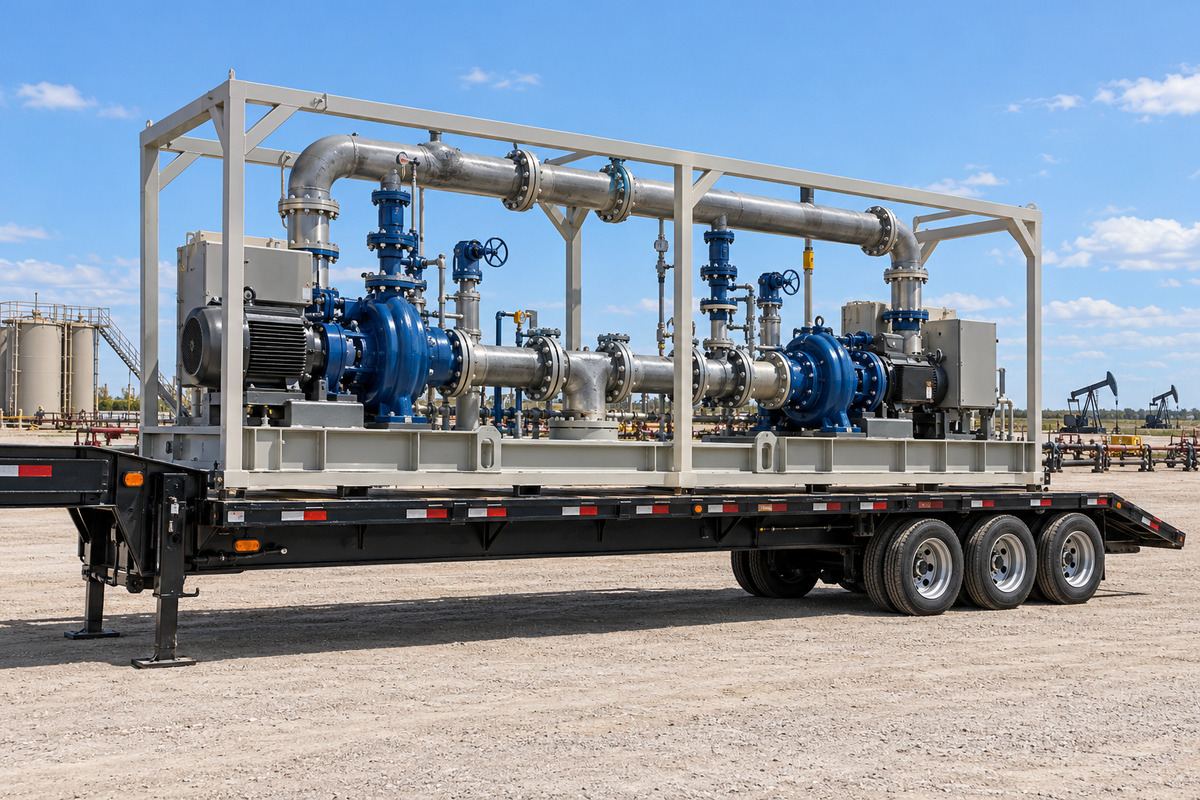
Oilfield pump
Shipment-specific planning
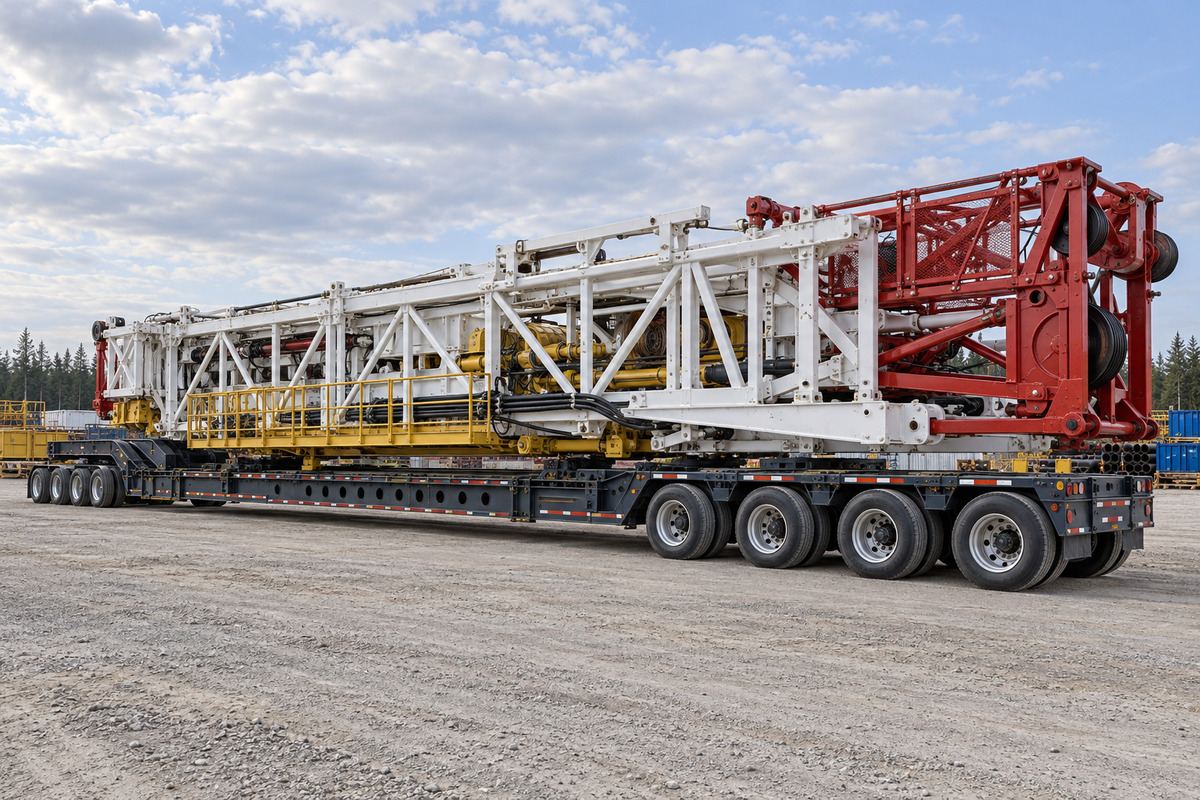
Oilfield rig
Shipment-specific planning
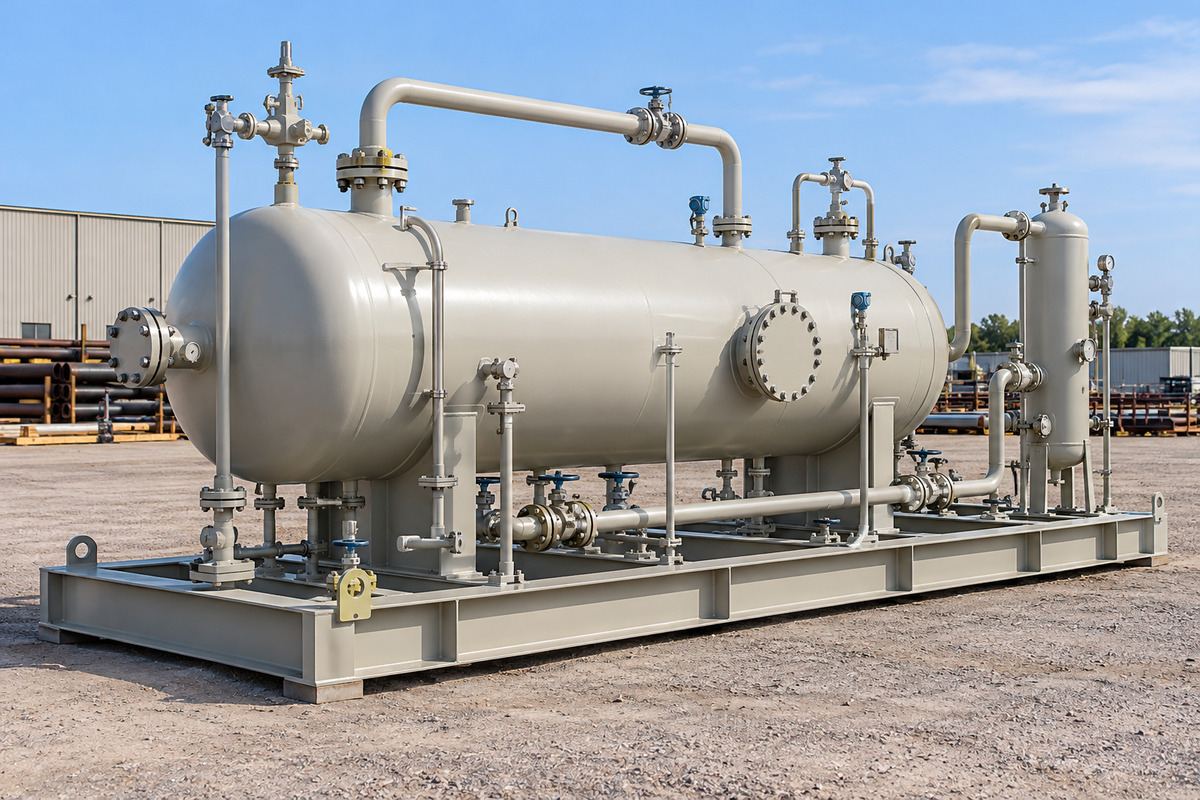
Oilfield separator
Shipment-specific planning
Oilfield Equipment We Can Help You Move
Shipment requirements vary across pump skids, rig components, separator vessels, packaged systems, support equipment and detached assemblies. Send an itemized description of what needs to move, including accessories and separate packages. Photographs help explain the load, but measured dimensions, reliable weights and handling instructions remain important. If the equipment has been modified, identify the changes instead of relying only on a standard model description.
Identify Each Equipment Assembly
Describe the actual pump skid, rig component, vessel or support unit rather than relying only on the project name. Provide shipping dimensions and weights for each assembly, including projecting piping, frames and attachments. Identify items that will be dismantled and any separate loads. Manufacturer handling instructions and current photographs help explain equipment that is difficult to describe with a short commodity name.
Used Equipment and Shipping Condition
Tell us whether the equipment is new, used, empty, cleaned or carrying residual material. Provide relevant information about prior contents, remaining fluids, batteries and pressurized systems. Any hazardous-material or condition questions must be resolved for the specific shipment before dispatch. Equipment preparation should be performed by qualified personnel, and transportation arrangements should not assume that decommissioning or cleaning is included.
Remote Access and Loading Conditions
Provide directions to the actual loading location and describe road surfaces, grades, gates and space for the trailer. Share access restrictions, site hours and any required inductions. If weather or ground conditions can change access, identify a contact who can confirm readiness before the truck arrives. Suitable lifting or loading assistance must be arranged in advance for equipment that cannot load under its own power.
Coordinating Rig and Support Equipment Loads
A project relocation may involve several trailers carrying related assemblies. Label components clearly and provide the delivery sequence required by the receiving team. Discuss support equipment, spare parts and transport fixtures as part of the inventory. The number of loads and trailer configurations should follow the individual pieces, not an assumption that all equipment from the same operation can travel together.
Trailer Selection for Oilfield Equipment
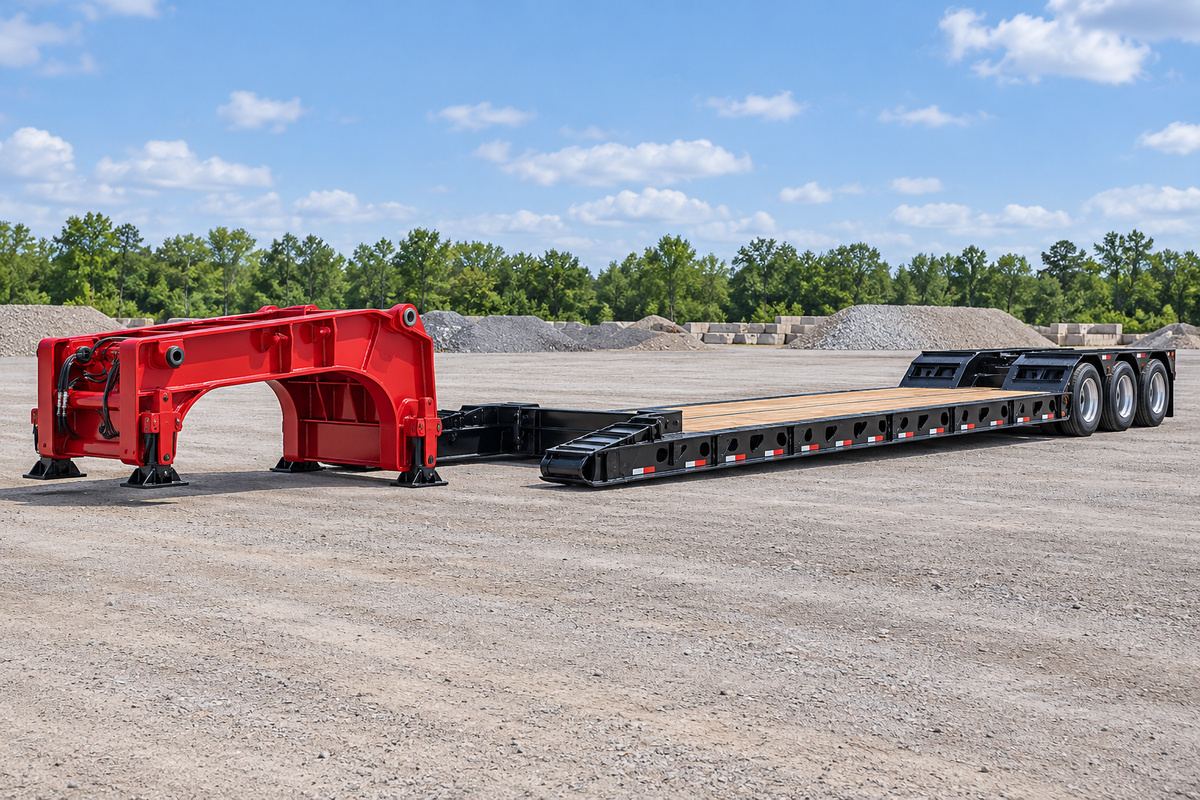
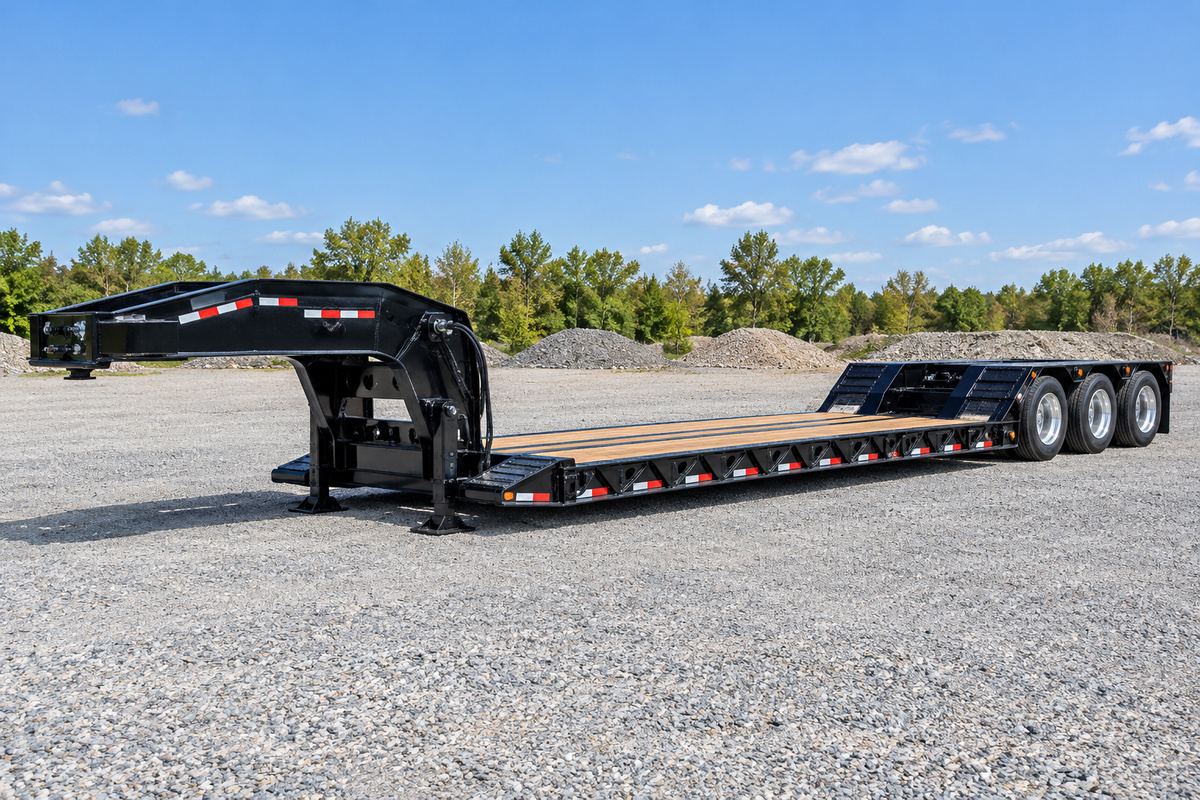
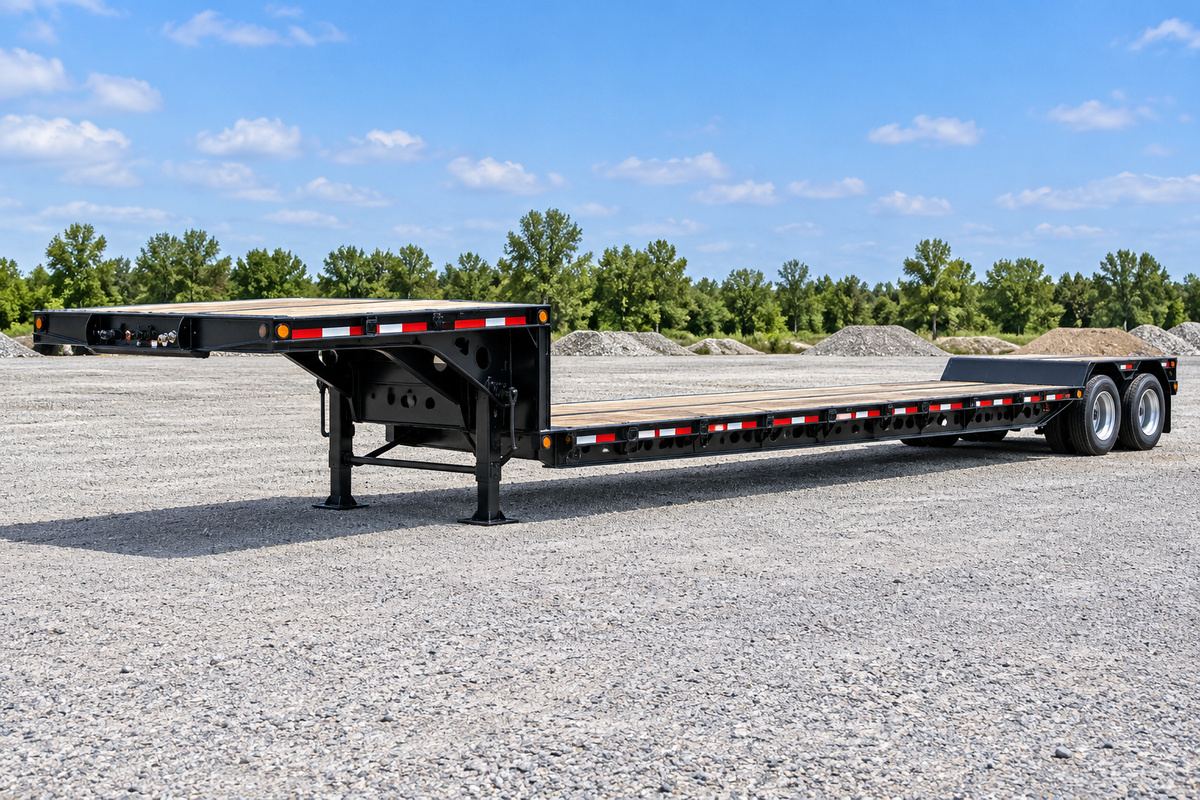
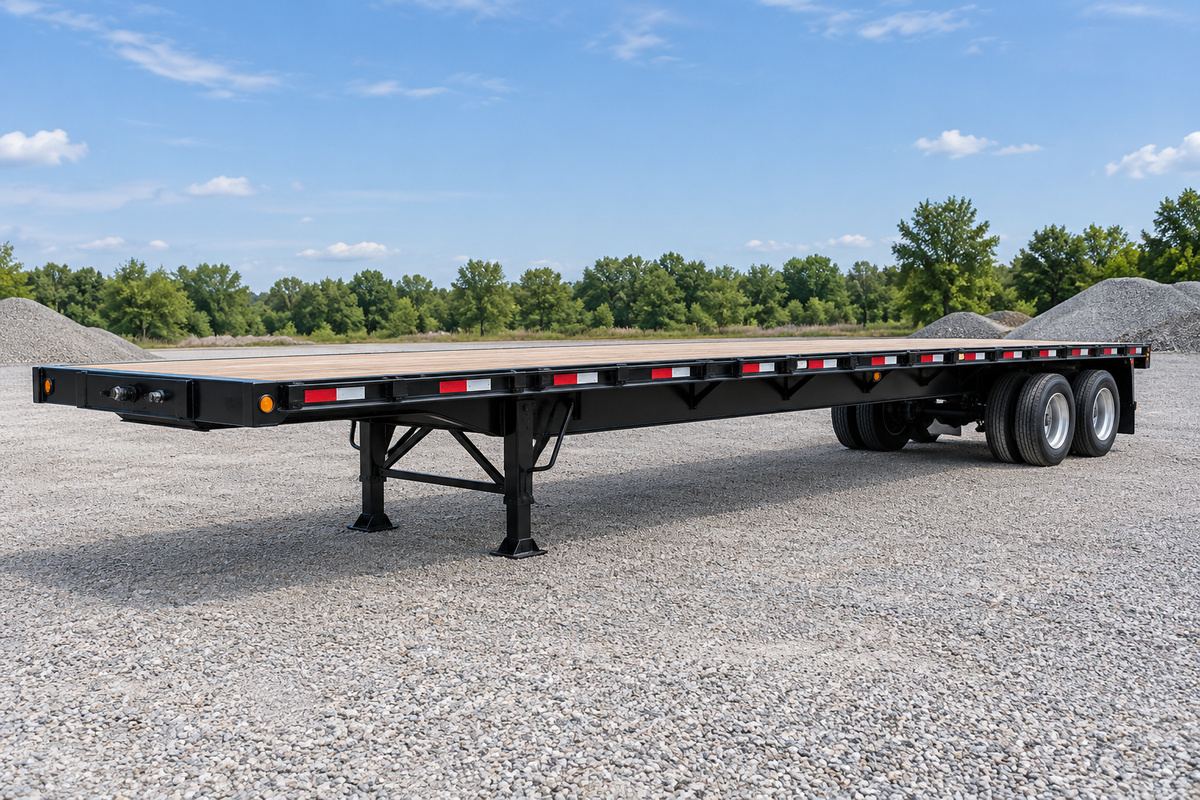
The appropriate trailer follows the cargo’s weight, dimensions, support requirements and loading method. Depending on the shipment, the carrier may consider a flatbed, step deck, lowboy, removable gooseneck or another specialized configuration. These are options to evaluate, not a promise that every trailer type suits every item. Share the manufacturer’s shipping instructions and any restrictions on where the cargo may be supported.
Tell us how loading and unloading will take place, who provides the handling equipment and whether the cargo can move under its own power. Trailer availability, deck space and loading access must be considered together. Our heavy haulers review those details with the shipment information so the transportation discussion is based on a workable configuration rather than the lowest deck height or shortest route alone.
What Affects Oilfield Equipment Transportation Cost?
A useful transportation quote reflects the work required for the complete shipment. Distance matters, but trailer type, loaded size and weight, permits, escort requirements, site access and handling arrangements can also affect the price. Several related loads should be described individually. Let us know about appointment windows, limited receiving hours, storage needs or other conditions that could change the way the move is carried out.
Provide the origin and destination city and ZIP code, the ready date, preferred delivery window, equipment description, shipping dimensions and weight. Include photographs and any available drawings or packing list. Tell us which services are already arranged and which still need discussion. Changes to the cargo or loading conditions should be communicated before dispatch so the quote and transportation plan can be reviewed.
Request a QuoteDetails to Confirm Before Dispatch
For oilfield equipment, provide the actual loading location and current access conditions. Describe the cargo’s preparation, remaining fluids and separate components. Include site contact details and any access instructions. A clear equipment list helps distinguish the main assembly from support parts that may need additional deck space or their own trailer.
Before the pickup appointment, confirm that the cargo matches the description used for the quote and that the loading area is ready. Photograph the prepared equipment or packages and keep the inventory available to the people releasing the load. Agree on how pickup and delivery updates will be communicated. If another contractor controls access or handles the lift, make sure that contact has the same appointment information. A shared understanding of the cargo, responsibilities and site conditions helps keep the move organized without depending on assumptions made during the first quote discussion.
Oilfield Equipment Transportation Questions
Can equipment be collected from a remote field location?
That depends on access, ground conditions and the loading plan. Provide detailed directions, site restrictions and available handling equipment so the pickup location can be reviewed before dispatch.
What if the shipment details change after the quote?
Contact the team before pickup. A change in dimensions, weight, component count, operating condition or loading location may affect the truck, trailer, route and price. Updated information helps the carrier review the move before equipment arrives rather than discovering a different load at the gate.
What should be ready at delivery?
Arrange an informed receiving contact, suitable access and the handling equipment agreed for unloading. Keep the shipment inventory available so separate pieces can be checked on arrival. If the receiving site cannot accept the load as planned, communicate that as early as possible so alternatives can be discussed.
More Equipment We Move
All equipment we moveConstruction & Agriculture
Industrial
Energy & Power
Aerospace & Defense
REVIEWS & EXPERIENCE
What Our Customers Say
“Completely professional, we have equipment big and small shipped all over the United States and never had a problem! One on one service and always talk directly. Highly recommend!”
Google review
“We used John to move some heavy equipment and he handled the heavy haul smoothly from start to finish. Communication was solid and everything showed up when it was supposed to. Easy to work with and professional the whole way through. Would definitely use him again.”
Google review
“Very satisfied. Professional and friendly staff and delivery went as expected.”
Google review
Rotonda West, FL 33947
Litchfield, CT 06759
Get Started
Request Your Oilfield Equipment Transportation Quote
Contact Heavy Haul Transporting with the details of your oilfield equipment shipment. Send the cargo description, current photographs, measured shipping dimensions, weight, pickup and delivery locations and preferred timing. We’ll review the requirements and discuss suitable transportation options. From the first quote discussion through delivery coordination, the aim is a clear plan that fits the cargo and the people handling it.