

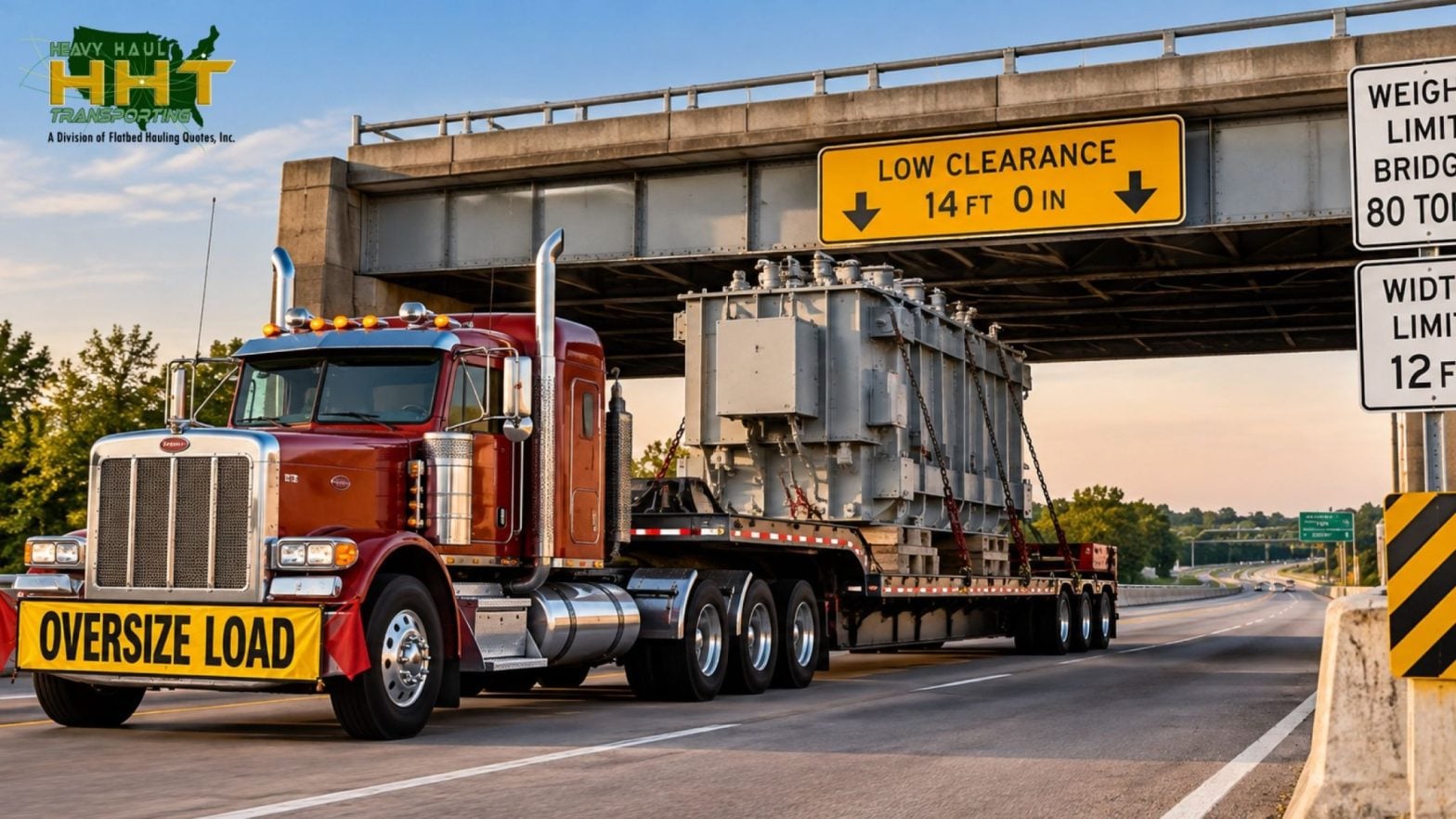
Transporting oversized equipment requires more than selecting a truck and driving from one location to another. Every route must be carefully evaluated to ensure the shipment can safely travel through highways, local roads, bridges, and other infrastructure areas. One of the biggest challenges in oversized load transportation routes is managing bridge restrictions. Bridges have specific weight limits, height clearances, and structural requirements that can affect how and where heavy equipment can be transported.
For companies moving large machinery, industrial components, and specialized cargo, proper heavy haul route planning is essential to avoid delays, safety risks, and transportation complications.
Why Bridge Restrictions Matter for Oversized Load Transportation
Bridges are designed to support specific weight capacities and vehicle dimensions. When transporting oversized or overweight cargo, transportation companies must evaluate whether a bridge can safely handle the combined weight of the truck, trailer, and load.
Bridge restrictions for oversized loads can impact transportation routes by limiting access to certain roads or requiring carriers to select alternative paths. Factors that may affect bridge accessibility include:
- Maximum weight capacity
- Bridge height clearance
- Road width limitations
- Structural conditions
- Local transportation regulations
Ignoring these restrictions can lead to route changes, permit issues, or safety concerns during transportation.
How Bridge Weight Limits Affect Heavy Haul Transportation
One of the most important considerations in heavy haul transportation routes is understanding bridge weight limits. Unlike standard freight, heavy haul shipments often involve extremely heavy equipment such as excavators, cranes, transformers, industrial machinery, and construction components. These loads can place significant stress on infrastructure if the route is not properly evaluated.
Before transportation begins, carriers review available bridge information to determine whether the planned route can safely support the shipment. This evaluation helps transportation teams choose suitable routes and avoid infrastructure limitations that could interrupt the project.
The Importance of Heavy Haul Route Planning
Successful oversized transportation depends heavily on detailed route planning. A professional carrier does not simply choose the shortest route; they analyze the safest and most practical route based on the shipment’s specifications.
Heavy haul route planning involves evaluating:
- Bridge capacity and restrictions
- Road conditions
- Low-clearance areas
- Traffic patterns
- Construction zones
- Sharp turns and narrow roads
- Permit requirements
A detailed route plan helps identify potential obstacles before the equipment is loaded and transported.
What Is a Load Route Survey?
A load route survey is a detailed assessment performed to determine whether a planned route is suitable for transporting oversized or overweight cargo. During a route survey, transportation professionals examine the entire path and identify potential challenges, including:
- Bridge restrictions
- Height limitations
- Road width issues
- Utility obstacles
- Turning requirements
- Access limitations at pickup and delivery locations
For complex shipments, a route survey provides valuable information that helps create a safer transportation plan.
Bridge Clearance for Oversized Loads
Weight is not the only concern when moving oversized cargo. Height restrictions can also significantly impact transportation routes. Bridge clearance for oversized loads must be carefully reviewed when transporting tall equipment such as construction machinery, industrial components, and specialized equipment.
Transportation professionals evaluate:
- Bridge height
- Overhead signs
- Power lines
- Traffic signals
- Rail crossings
Proper clearance planning helps prevent damage to the equipment, infrastructure, and surrounding areas.
How Oversized Load Permits Affect Transportation Routes
Oversized shipments typically require specific approvals before traveling on public roads. Oversized load permits provide authorization for transporting cargo that exceeds standard legal size or weight limits. Permit requirements vary depending on the state, cargo dimensions, weight, and transportation route.
Permits may include:
- Approved travel routes
- Travel time restrictions
- Escort vehicle requirements
- Special safety instructions
Working with an experienced heavy haul provider helps ensure permit requirements are addressed before transportation begins.
Common Challenges When Transporting Heavy Equipment Across Bridges
Moving large machinery and oversized freight requires careful coordination because every shipment has unique challenges.
Weight Restrictions
Heavy equipment may exceed the capacity of certain bridges, requiring transportation teams to identify alternate routes. The combined weight of the cargo, trailer, and tractor must be considered when evaluating whether a bridge can accommodate the shipment. Equipment such as excavators, cranes, loaders, transformers, and other industrial machinery can create significant weight demands on bridges. Transportation professionals review applicable weight restrictions and route information to determine whether additional planning or an alternate route is necessary. Selecting a route that accounts for bridge weight limits can help reduce unexpected detours, delays, and transportation complications.
Height Limitations
Tall equipment requires careful evaluation of bridge clearance, overhead structures, and other obstacles. The overall height of the shipment includes the equipment itself as well as the trailer used to transport it. Transportation teams need to consider bridges, tunnels, overhead signs, traffic signals, utility lines, and other structures along the planned route. Even a small clearance issue can prevent a load from safely passing through a particular section of roadway. Proper bridge clearance for oversized loads should therefore be reviewed before departure. Route planning can help identify low-clearance locations and determine whether adjustments or alternate routes are required.
Changing Road Conditions
Construction, weather, and infrastructure changes can affect previously planned transportation routes. A route that was suitable during the initial planning stage may become difficult to use because of road construction, temporary closures, bridge maintenance, or changing traffic conditions. For this reason, transportation teams should monitor route conditions before and during the shipment. Unexpected changes may require adjustments to the planned route, travel schedule, or transportation arrangements. Considering current road conditions as part of heavy haul route planning helps transportation professionals prepare for potential disruptions and maintain a more reliable delivery process.
Permit Coordination
Oversized shipments require proper documentation and coordination with transportation authorities. Depending on the cargo’s dimensions, weight, and destination, permits may establish specific routes, travel times, escort requirements, and other operating conditions. Permit information must be consistent with the planned transportation route. If a route contains restricted bridges or other limitations, the carrier may need to coordinate an alternative route before the shipment begins. Effective oversized load permit coordination helps ensure that transportation requirements are addressed before the equipment reaches the road. It also allows the carrier to prepare for route-specific restrictions and reduce the possibility of avoidable delays.
Route Changes and Detours
Even with detailed planning, an oversized shipment may encounter a restriction that requires a route change. Bridge closures, construction activity, unexpected road conditions, or updated transportation requirements can affect the original plan. Professional transportation teams should be prepared to evaluate alternative routes when necessary. Any replacement route must still accommodate the shipment’s weight, dimensions, clearance requirements, and applicable permit conditions. Having contingency options available can make it easier to respond to unexpected transportation challenges without compromising the safety of the shipment or surrounding infrastructure.
How Bridge Restrictions Impact Oversized Freight Transportation
Oversized freight transportation requires a balance between efficiency, safety, and compliance. A route that appears shorter may not always be the best option if it includes bridges with weight limitations or clearance issues. Professional carriers often select routes that provide safer access, even if the distance is longer.
This approach helps protect the cargo, transportation equipment, infrastructure, and other road users.
Why Experience Matters in Heavy Equipment Transportation
Moving oversized machinery requires specialized knowledge, planning, and equipment. Companies handling heavy equipment transportation must understand how to evaluate routes, manage permits, select appropriate trailers, and coordinate complex transportation projects.
An experienced heavy haul provider can help identify potential challenges before they become problems and develop a transportation plan based on the specific requirements of each shipment.
How Heavy Haul Transporting Handles Complex Transportation Routes
Heavy Haul Transporting specializes in moving oversized equipment and complex freight that requires careful planning and specialized transportation solutions. Our team focuses on route evaluation, permit coordination, equipment selection, and safe transportation practices for challenging heavy haul projects.
Whether transporting construction equipment, industrial machinery, or oversized components, every project receives a customized approach based on cargo size, weight, destination, and route requirements.
Our services include:
- Oversized load transportation
- Heavy equipment transportation
- Flatbed transportation
- Specialized heavy haul services
- Oversized freight transportation
Frequently Asked Questions
Why do bridges affect oversized load transportation routes?
Bridges have specific weight and clearance limits. Oversized shipments must follow routes that can safely support their size and weight.
What is a bridge weight limit?
A bridge weight limit is the maximum amount of weight a bridge is designed to safely support.
Why is a load route survey important?
A load route survey helps identify potential obstacles such as bridge restrictions, clearance issues, and road limitations before transportation begins.
Do oversized loads require special permits?
Yes. Most oversized shipments require permits that specify approved routes, safety requirements, and transportation conditions.
How are oversized loads transported safely?
Oversized loads are transported safely through proper route planning, specialized equipment, permits, experienced operators, and compliance with transportation regulations.
What equipment is used for oversized freight transportation?
Depending on the shipment, carriers may use flatbed trailers, lowboy trailers, RGN trailers, and other specialized heavy haul equipment.
Plan Your Oversized Load Transportation Route With Experts
Bridge restrictions are one of the most important factors to consider when planning oversized transportation projects. Proper route evaluation, permit management, and specialized equipment selection help ensure that large and heavy shipments reach their destination safely.
Heavy Haul Transporting provides experienced solutions for companies requiring oversized load transportation routes, heavy equipment movement, and specialized hauling services. Contact Heavy Haul Transporting to discuss your next oversized transportation project.