

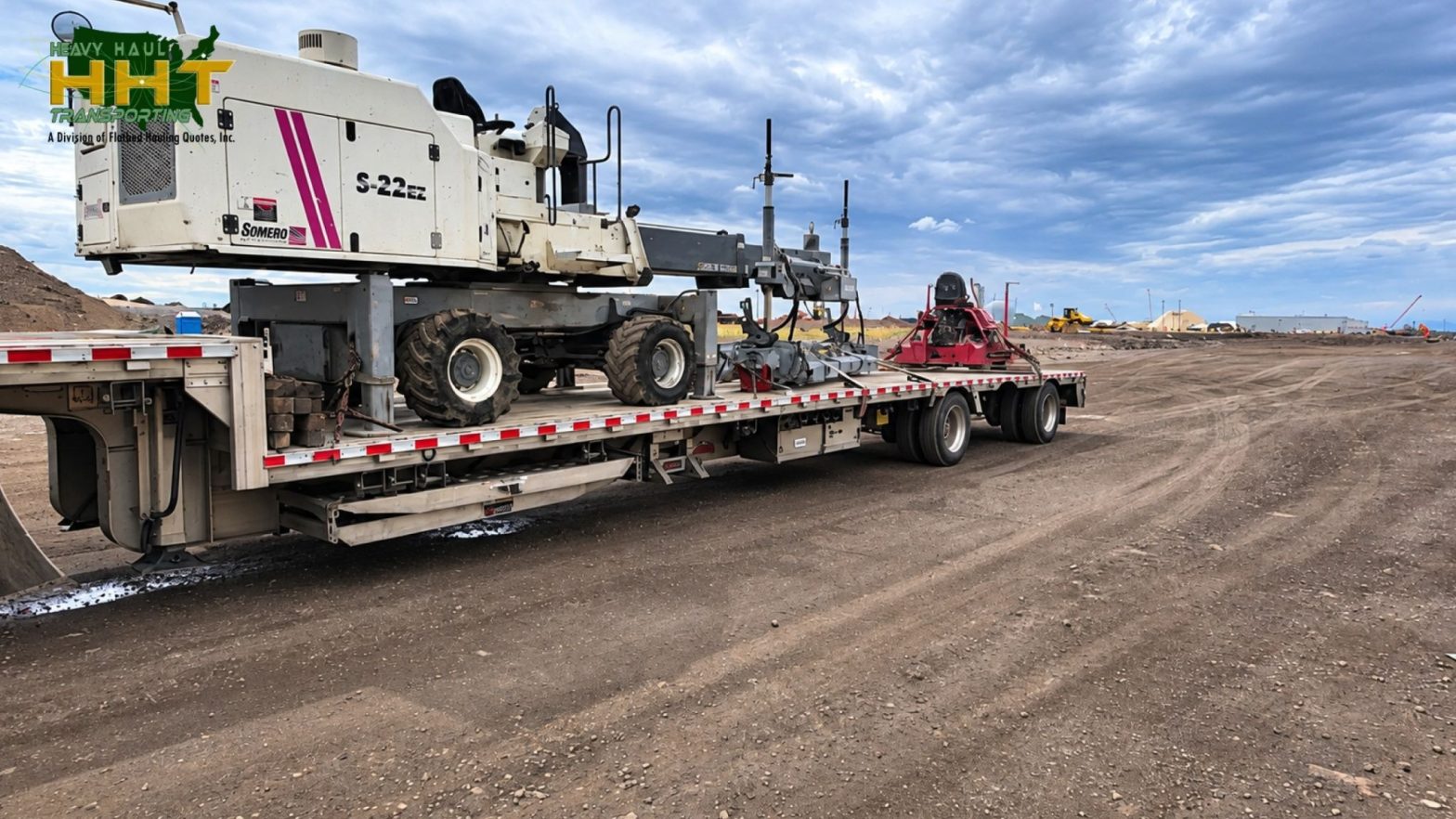
Transporting extremely large and heavy equipment requires detailed planning, specialized equipment, and experienced professionals. While oversized loads are already challenging to move, super load transportation involves an even higher level of complexity due to the exceptional size, weight, and dimensions of the cargo.
Industries such as construction, energy, manufacturing, infrastructure, and power generation often require oversized super load transportation for moving large machinery, industrial components, transformers, generators, and other heavy equipment that exceed standard transportation limits. Understanding super load requirements, permits, route planning, and transportation challenges can help businesses prepare for successful heavy haul projects.
What Is a Super Load?
A super load is an oversized shipment that exceeds standard legal transportation limits by a significant amount. These loads are typically much heavier, wider, taller, or longer than conventional oversized freight and require additional planning before transportation. Unlike regular oversized loads, super loads often involve specialized trailers, engineering reviews, multiple permits, escort vehicles, and carefully planned transportation routes.
Examples of cargo that may require super load trucking include:
- Large industrial machinery
- Electrical transformers
- Power generation equipment
- Construction equipment
- Manufacturing components
- Wind energy components
- Infrastructure materials
Because of their extreme dimensions and weight, these shipments require specialized heavy haul services to ensure safe and compliant transportation.
Understanding Super Load Transportation
Super load transportation is the process of moving exceptionally large or heavy cargo that exceeds normal oversized load classifications.
These projects require more than simply selecting a truck and trailer. Heavy haul specialists must evaluate every part of the transportation process, including:
- Cargo dimensions and weight
- Trailer selection
- Route feasibility
- Bridge and road restrictions
- Permit requirements
- Safety considerations
- Loading and unloading procedures
A successful super load move requires coordination between transportation professionals, government agencies, engineers, and customers.
What Are the Requirements for a Super Load?
The exact super load requirements can vary depending on the location, cargo type, dimensions, and weight. However, most super load projects require several important steps before transportation begins.
1. Oversized Load Permits
Because super loads exceed standard legal limits, transportation companies must obtain proper permits from the relevant state and local authorities.
Permits typically include information about:
- Maximum allowed dimensions
- Approved travel routes
- Travel restrictions
- Escort requirements
- Safety conditions
Without proper authorization, moving a super load can result in delays, penalties, or transportation restrictions.
2. Detailed Route Planning
Route planning is one of the most important parts of extreme oversized load hauling. A route that works for normal trucks may not be suitable for a super load. Transportation specialists must analyze:
- Bridge weight limits
- Road width
- Low-clearance areas
- Sharp turns
- Traffic conditions
- Construction zones
- Utility obstacles
Advanced route surveys may be required to identify potential challenges before the shipment begins.
3. Specialized Heavy Haul Equipment
Moving a super load requires equipment designed to handle extreme weight and dimensions. Depending on the shipment, transportation companies may use:
- Multi-axle trailers
- Hydraulic platform trailers
- Lowboy trailers
- RGN trailers
- Specialized heavy haul trucks
The correct equipment selection helps distribute weight properly and improves transportation safety.
Common Transportation Challenges for Super Loads
Moving a super load involves several challenges that require careful management.
Route Restrictions
One of the biggest challenges in oversized freight transportation is finding a route capable of handling the shipment. A super load may require temporary road closures, traffic management, or adjustments to existing infrastructure.
Weight Distribution
Extremely heavy cargo must be positioned correctly to maintain stability during transportation. Incorrect weight distribution can create safety concerns and increase stress on equipment and road surfaces.
Bridge and Infrastructure Limitations
Bridges, highways, and local roads have specific weight and clearance limits. Before transportation begins, specialists must confirm that the planned route can safely support the shipment.
Weather Conditions
Weather can significantly impact heavy haul operations. Strong winds, heavy rain, snow, or extreme temperatures may affect transportation schedules and safety planning.
Coordination and Timing
Large equipment transportation often requires coordination between multiple parties, including:
- Transportation teams
- Site managers
- Government agencies
- Escort providers
- Equipment operators
Proper scheduling helps reduce delays and improves overall project efficiency.
Super Load vs Oversized Load: What Is the Difference?
Many people use oversized load and super load interchangeably, but they are not always the same. An oversized load exceeds normal legal size or weight limits, but a super load exceeds those limits by a much greater margin.
A typical oversized shipment may require permits and specialized equipment, while a super load often requires:
- More detailed engineering reviews
- Additional route planning
- Multiple permits
- Specialized trailers
- More extensive safety measures
Because of these additional requirements, super loads require experienced heavy haul transportation providers.
Industries That Require Super Load Transportation
Many industries depend on super load trucking to move critical equipment and materials.
Construction Industry
Large excavators, cranes, and construction machinery often require specialized transportation due to their weight and dimensions.
Energy Sector
Power plants and renewable energy projects frequently require transportation of transformers, generators, and other large components.
Manufacturing Industry
Manufacturers may need to move large machinery and industrial equipment between facilities.
Infrastructure Projects
Bridge construction, road projects, and industrial developments often require large equipment transportation services.
Why Experience Matters in Super Load Transportation
Choosing an experienced heavy haul provider is essential when transporting extreme oversized cargo. A qualified transportation company understands:
- Permit processes
- Route analysis
- Equipment selection
- Safety procedures
- Industry regulations
- Project coordination
Experienced providers can help identify challenges before transportation begins and create a detailed plan for moving complex shipments safely. Companies requiring specialized heavy haul services should work with transportation professionals who have experience handling complex oversized projects.
How Heavy Haul Transporting Handles Super Load Projects
Heavy Haul Transporting provides solutions for customers requiring complex oversized and heavy equipment transportation. Our team focuses on detailed planning, proper equipment selection, route evaluation, and safe transportation practices for challenging shipments.
From industrial machinery to oversized equipment, our experience with heavy haul transportation helps customers move critical cargo efficiently.
We provide services including:
- Oversized load transportation
- Heavy equipment transport
- Flatbed transportation
- Specialized hauling solutions
- Large machinery transportation
Every project requires a customized approach based on cargo dimensions, weight, destination, and transportation requirements.
Preparing Your Equipment for Super Load Transportation
Before transportation begins, customers should provide accurate information about the shipment. Important details include:
- Equipment dimensions
- Total weight
- Pickup and delivery locations
- Loading requirements
- Special handling instructions
Providing accurate information early allows transportation specialists to develop a safer and more efficient transportation plan.
Frequently Asked Questions
What is considered a super load?
A super load is an extremely oversized shipment that exceeds standard legal size and weight limits by a significant amount and requires specialized transportation planning.
What permits are needed for super load transportation?
Super load shipments typically require oversized load permits from state and local transportation authorities. Permit requirements depend on the shipment location and specifications.
What equipment is used for super loads?
Super loads may require specialized equipment such as multi-axle trailers, hydraulic platform trailers, lowboy trailers, and other heavy haul equipment.
How long does super load transportation take?
The timeline depends on shipment size, route complexity, permit approvals, weather conditions, and destination requirements.
Why is route planning important for super loads?
Route planning helps identify potential obstacles such as bridges, road restrictions, low clearances, and traffic challenges before transportation begins.
What industries use super load transportation?
Industries such as construction, energy, manufacturing, infrastructure, and heavy equipment sectors commonly require super load transportation.
How do I choose a super load transportation company?
Look for a company with experience in permits, route planning, specialized equipment, and complex heavy haul projects.
Move Your Super Load With Experienced Heavy Haul Professionals
Transporting a super load requires more than a standard trucking solution. It requires careful planning, specialized equipment, experienced operators, and attention to safety throughout every stage of the project.
Whether you need to move industrial machinery, construction equipment, or oversized components, Heavy Haul Transporting provides reliable solutions for complex transportation needs. Contact Heavy Haul Transporting to discuss your super load transportation requirements and develop a plan for your next heavy haul project.